




The workplace inspection is complete, photographs have been taken and the checklist has been filed. Yet the same concern appears again the following week. What could improve? Often, the answer involves clearer findings, an accountable action owner and a meaningful check after corrective work.
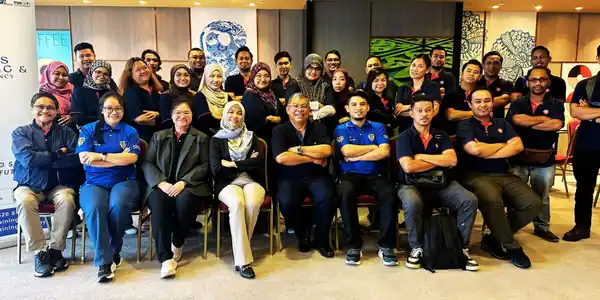
For an OSH Coordinator, organised workplace inspections help connect employee observations with management action. This guide suggests a practical workflow to adapt to your operations. It does not replace statutory inspections or technical assessments requiring appropriately qualified people.
1. Define the scope before entering the work area
Identify the area, activity and purpose of the inspection. Review earlier findings so the team knows which issues require another check. Include the area supervisor, who can explain normal tasks and recent operational changes.
Choose a time when routine activity can be observed safely. Conditions during deliveries may differ from those during office hours. Follow site access, induction and safety arrangements. Do not enter restricted areas or interfere with equipment without appropriate authorisation.
2. Listen to the people doing the work
Ask how the task is normally performed, when difficulties occur and what responses have already been tried. Open questions help explain situations that may be missed during a short walk-through.
For example, an aisle that looks clear in the morning might become obstructed after stock arrives. Recording the time and operating conditions gives the process owner a better starting point than a photograph without context.
3. Record findings that support action
- The location and activity observed.
- The date, time and relevant operating conditions.
- A specific description of the concern.
- A photograph reference where photography is permitted and useful.
- Who was informed and any initial action taken.
Avoid unexplained labels such as “unsafe condition”. Distinguish what you saw from what you suspect. Where the cause is uncertain, record the need for further investigation and involve an appropriate person rather than presenting an assumption as fact.
4. Agree priorities and responsibilities
Discuss findings with people who understand the risk and have authority to decide on action. Matters requiring immediate attention should follow the organisation’s escalation arrangements without waiting for a complete report.
For agreed actions, record an owner, a target date and any resources required. If work is delayed, record the reason and management’s decision. A long list of findings without ownership can become an archive rather than a route to improvement.
5. Verify the result of corrective work
Return under relevant operating conditions and check whether the response works. Involve employees who use the area. Ask whether the original concern has reduced or has simply moved somewhere else.
Moving stock from one walkway to another entrance, for example, may leave a similar problem unresolved. Record what was checked, when verification occurred and whether further action is needed. Recurring findings can help management identify a wider process or resource issue.
Keep the reporting process manageable. A concise summary highlighting urgent matters, overdue actions and repeated concerns can help decision-makers focus on the next step while the detailed register preserves the supporting information.
Frequently asked questions
How often should inspections take place?
Set frequency according to risks, operational changes and applicable requirements. A planned schedule can help, while complaints or changes may justify an additional review.
Are photographs sufficient evidence?
Photographs can explain conditions, but need context, action details and verification of the outcome. Confirm photography is permitted and avoid disclosing sensitive information.
Must the OSH Coordinator make every technical decision?
Refer technical matters to qualified people and process owners. Knowing when specialist assistance is needed is part of effective coordination.
Strengthen your coordination foundations with STC
Bring questions from your workplace into your training discussion. Explore the STC OSH Coordinator course and speak with the team about suitable participants and available intakes.
WhatsApp STC: Enquire about OSH Coordinator training
Role reference: DOSH — Occupational Safety and Health Coordinator. The implementation suggestions in this article should be adapted to your organisation’s operations and risks.